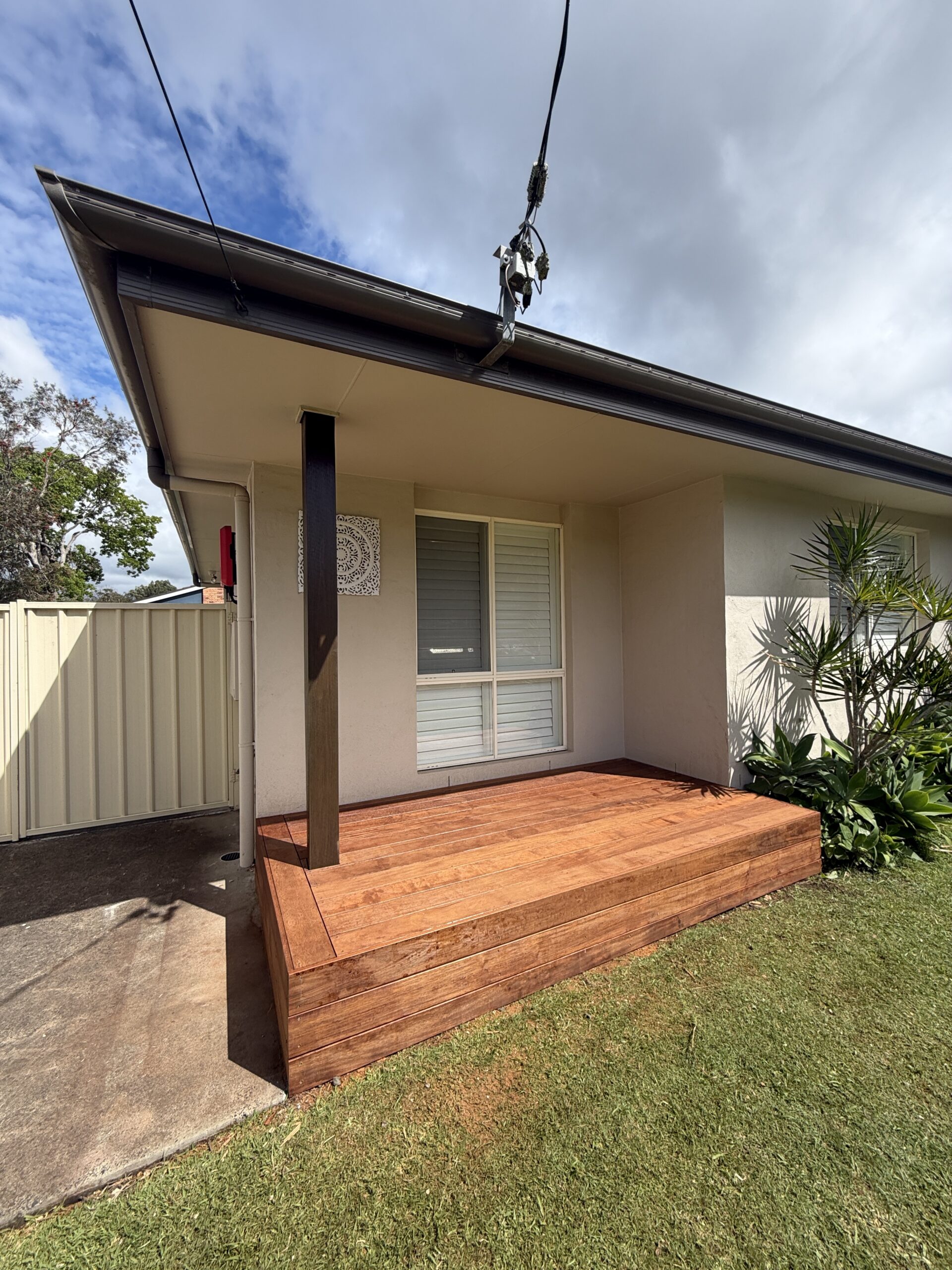
Outside
Decks, pergolas and outdoor rooms, set out on site to your block.
Licensed builder · 399743C
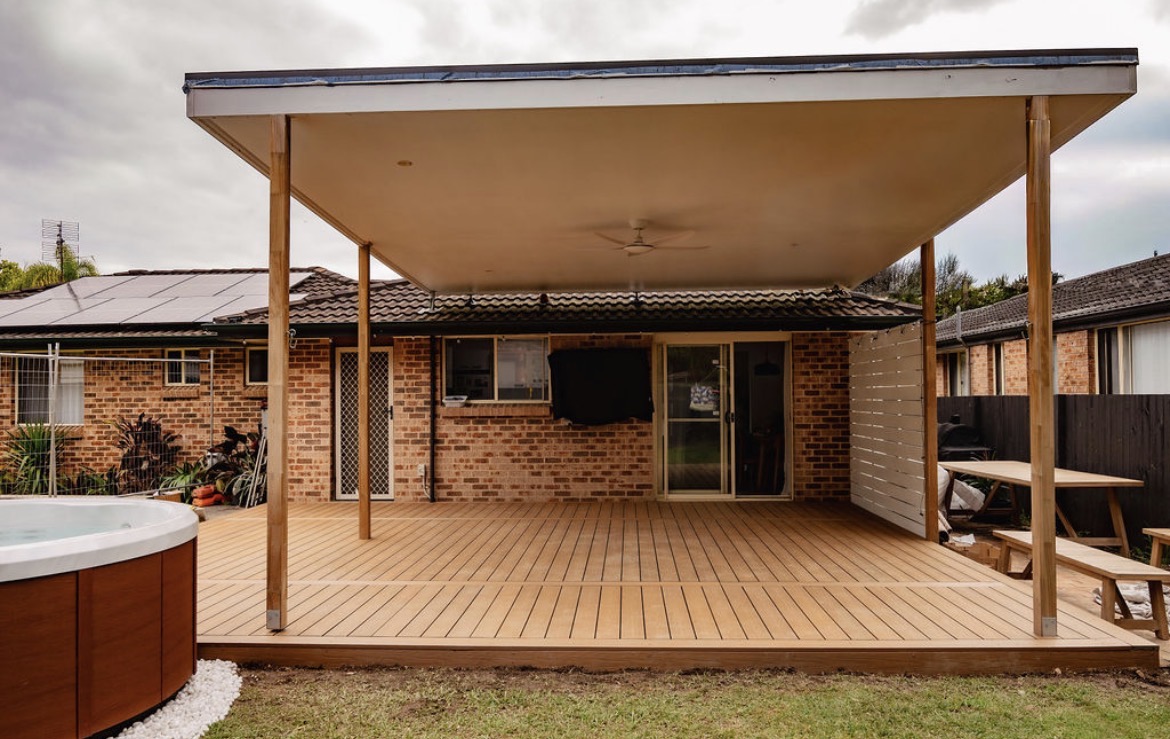
Williamson Builds takes on decks and pergolas, repairs to decks and older timber homes, and bathroom and kitchen renovations around Wyong. Whether it’s a cottage that needs work or a renovation inside, the job is quoted in writing and built by a licensed builder.
The short answer
Williamson Builds is a carpentry and building company working in Wyong, NSW 2259. We build decks and pergolas, repair decks, verandahs and older timber houses, handle general carpentry and maintenance, and run bathroom and kitchen renovations end to end. All of it is done under NSW licence 399743C and quoted from a written scope.
Wyong is under Central Coast Council. Outside the small heritage conservation area by the town centre, the residential streets we tested carry no conservation area, and a foreshore building line is mapped along parts of the river downstream of town, so we check it for riverfront lots.
What we do here
Pick the one that sounds like your job, or ring and describe it.
Decks, pergolas and outdoor rooms, set out on site to your block.

Opened up and checked before it is quoted, so you pay for the fix it needs.
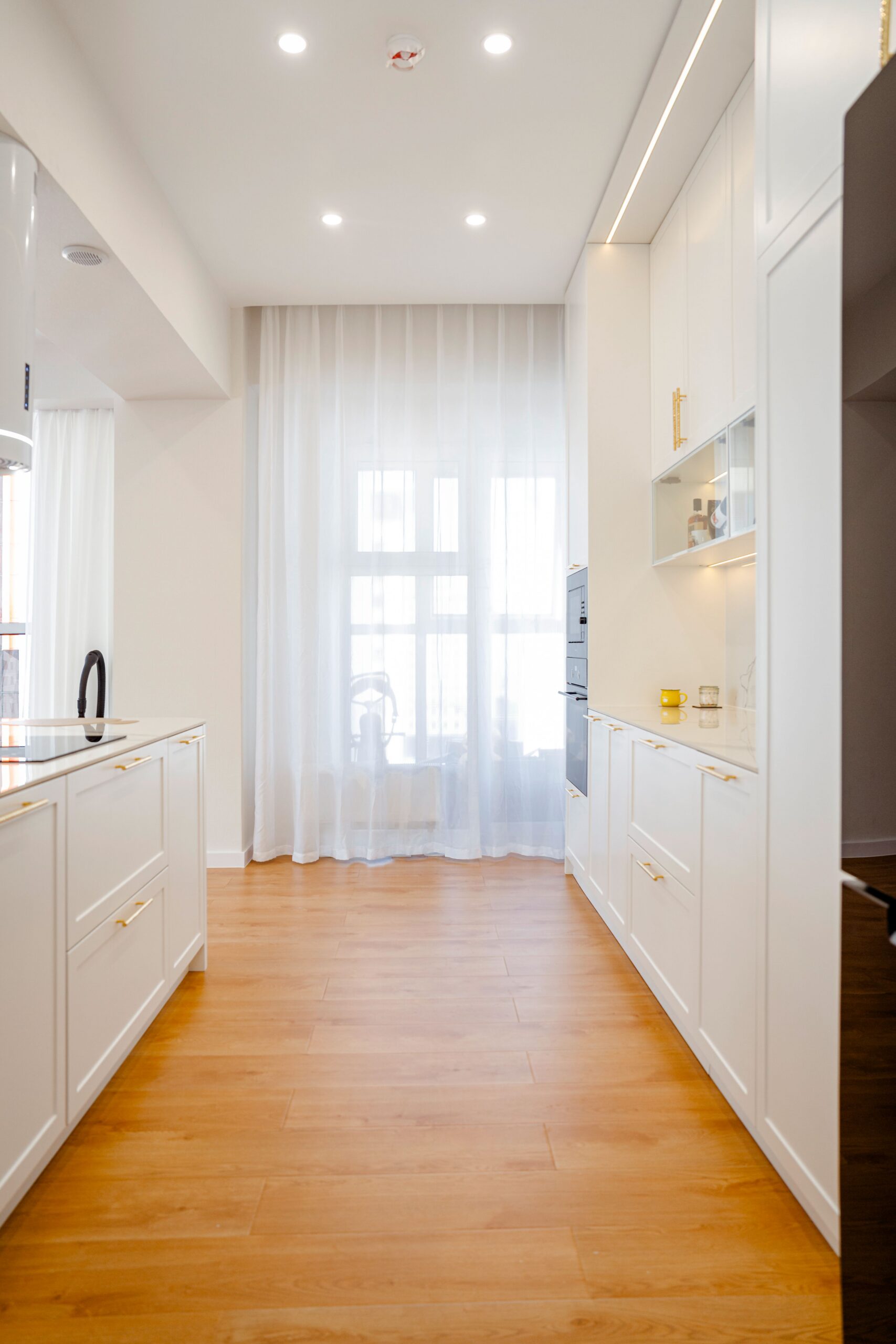
Bathrooms, kitchens and bigger renovations, with the trades and the dates run by us.
Reviews
The difference
What decides how long a job lasts ends up under the boards or behind the wall, so that’s where most of our time goes.
Sloping ground, trees and salt air decide the footings, the fixings and which timber lasts. Inside, new work is tied into the structure of the house. Every job is set out on site, to the block it sits on.
The scope of works goes out in writing first, saying what is in it and what is not, and the number follows. Unknowns such as what sits under the ground are named as provisional items before you sign.
We pull a section and look at the structure before pricing a repair, whether it is a deck, a subfloor or a wall. If what’s behind it is sound, you pay for the repair and nothing more.
Exempt, complying development or a full DA depends on your block as much as your job, and it changes street to street here. We check it against your address before quoting and tell you which one applies.
Licence 399743C is a general building licence, so the structural work, the licensed trades and the schedule all sit with us. One number to ring, whether you live in the house or manage it.
Substructure, framing and waterproofing all get covered up, and that is where a job is either right or not. Those stages are photographed and handed over, so nothing is taken on trust.
Recent work
Photos from our own jobs across the Coast.
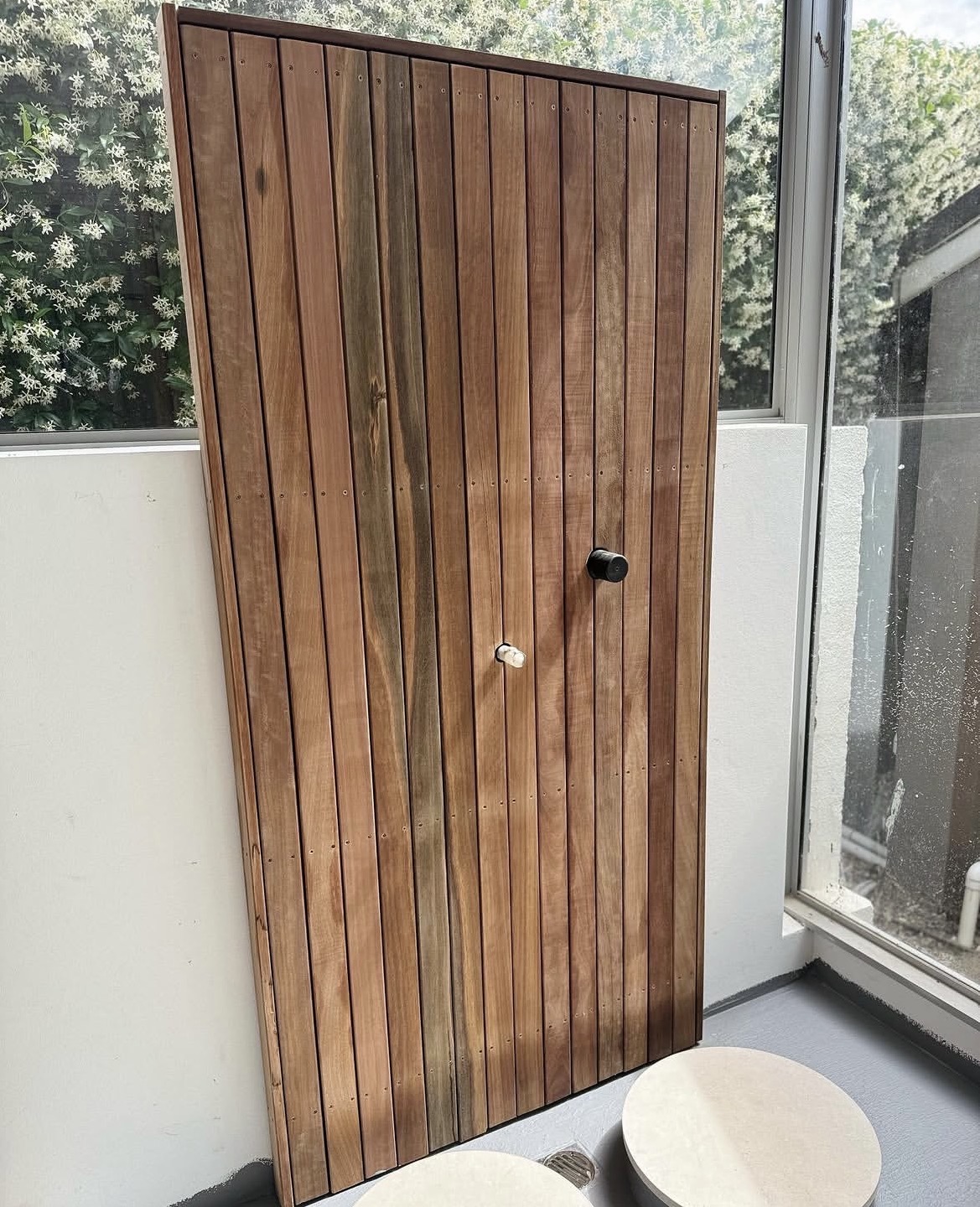
Carpentry
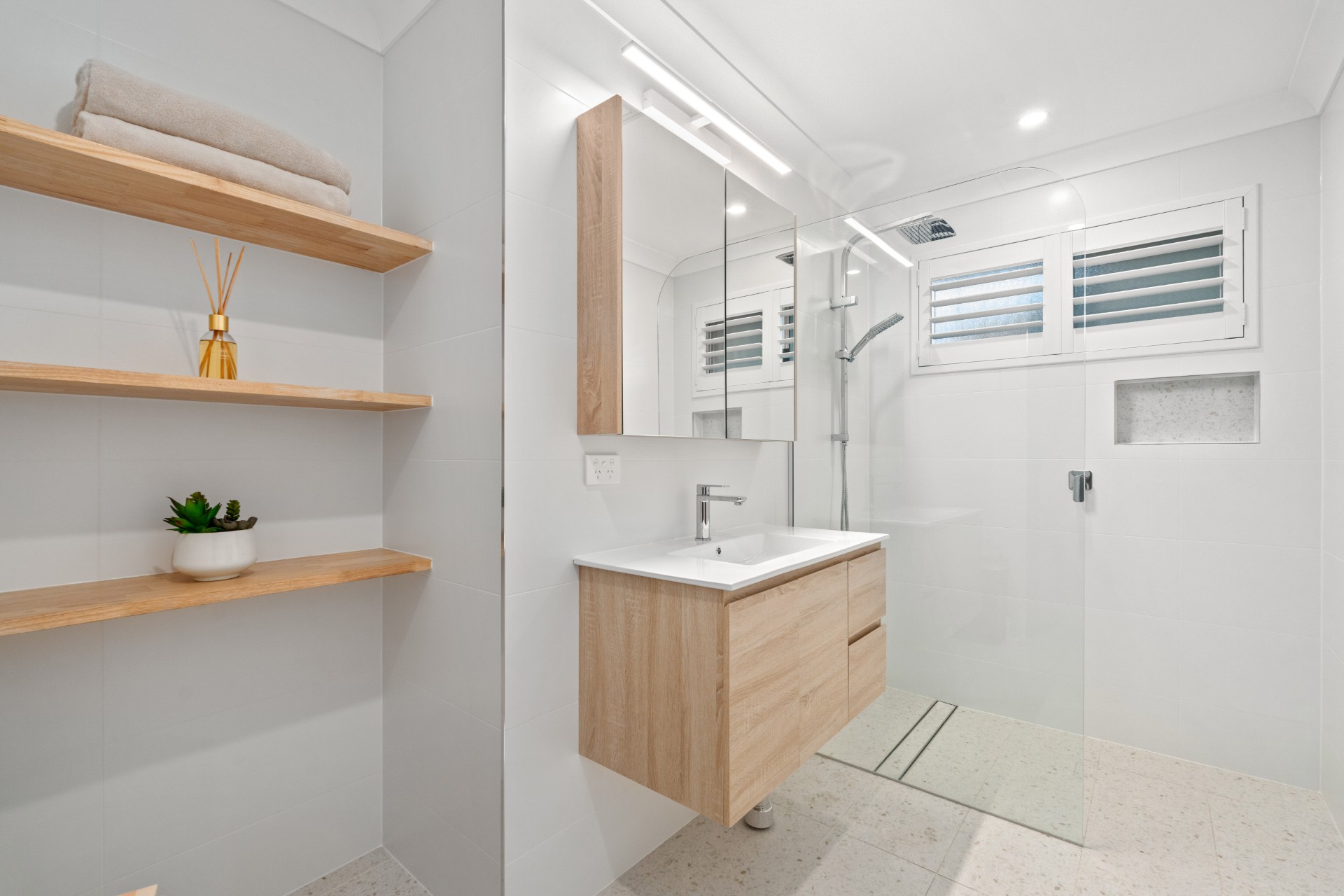
Bathroom
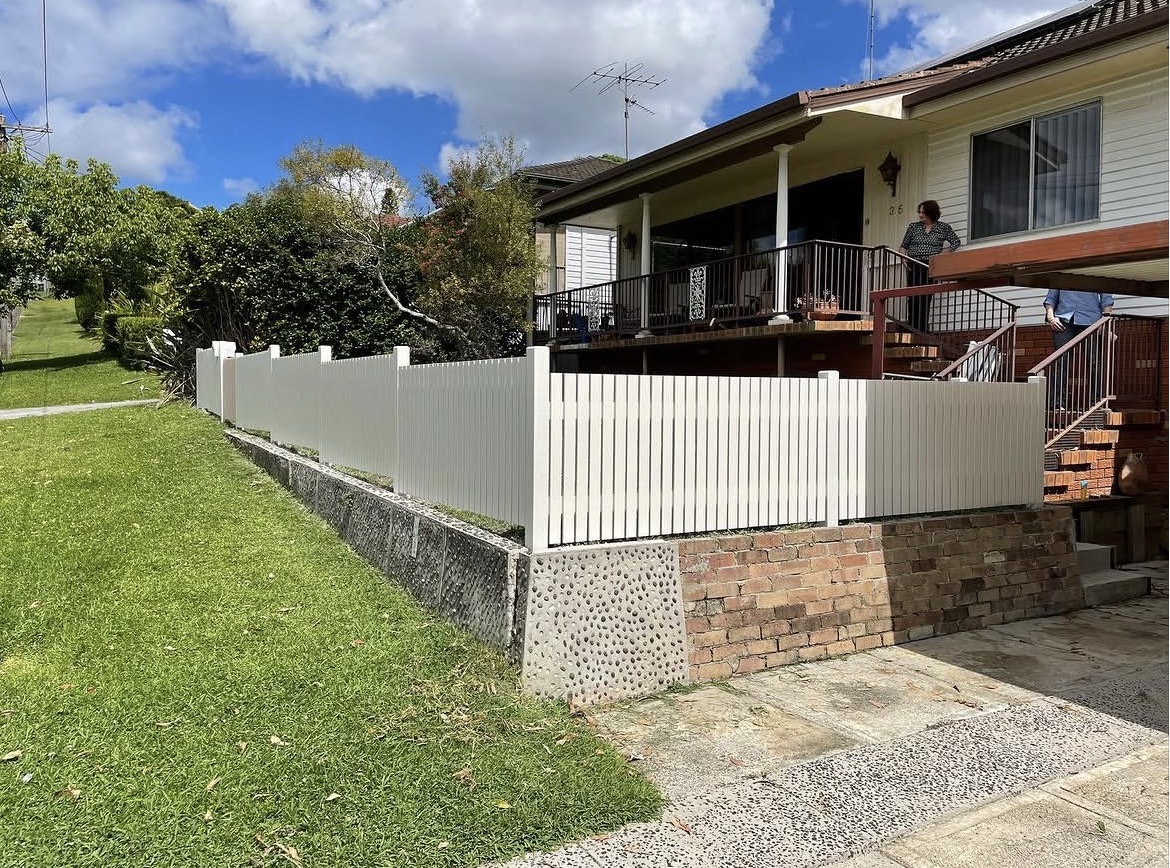
Fencing
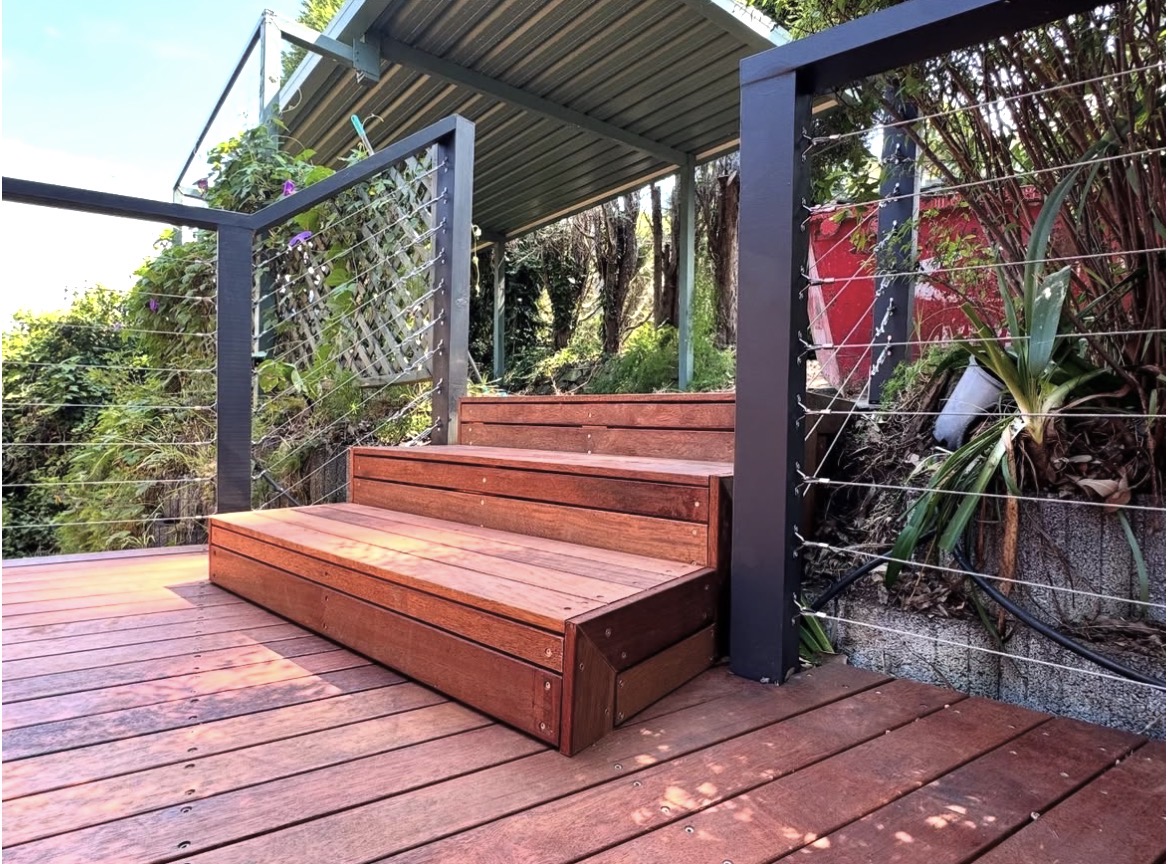
Deck
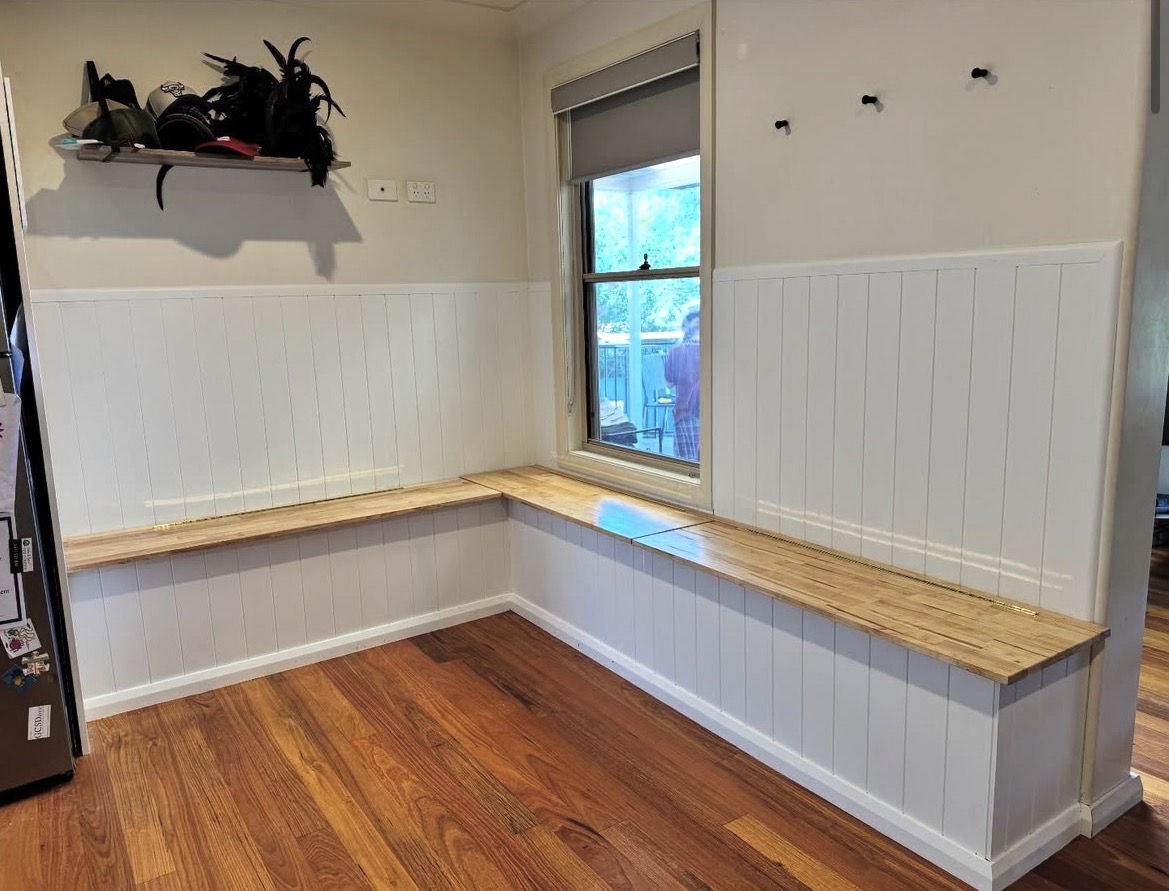
Carpentry
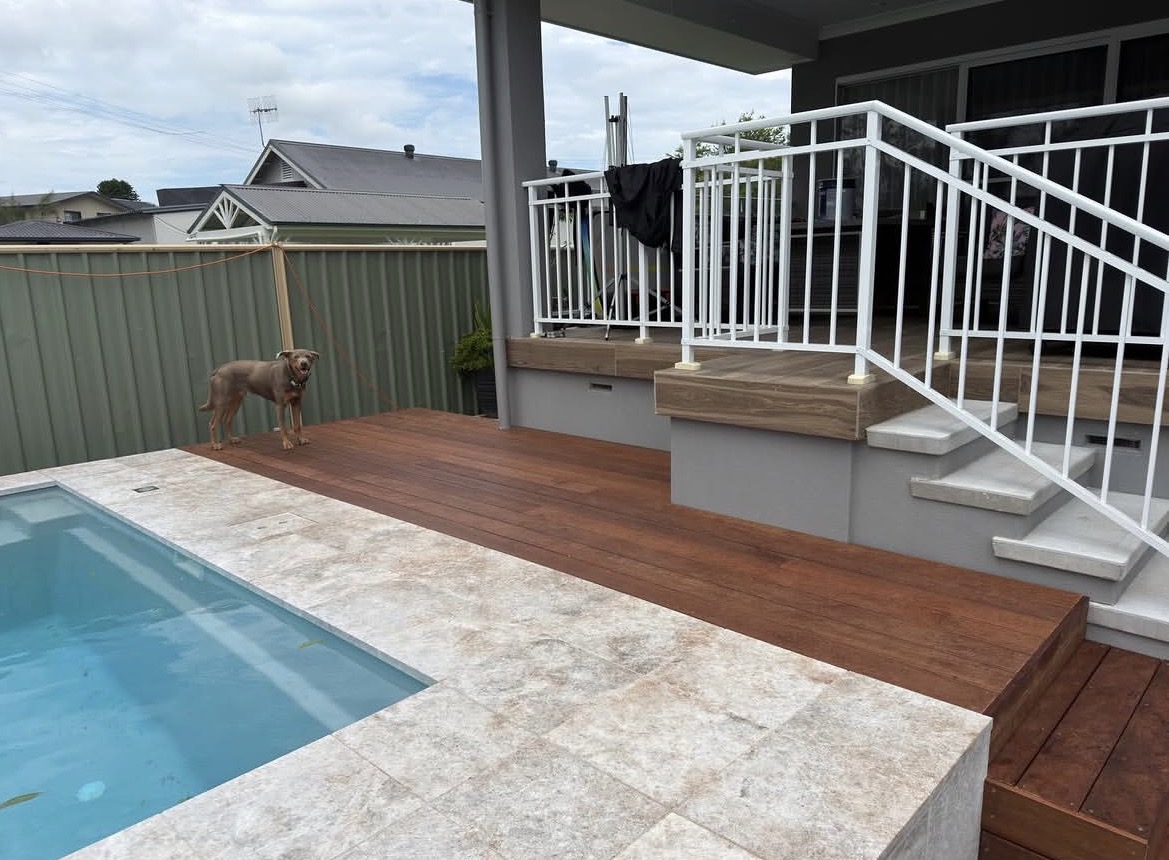
Pool deck
Local knowledge
Four things that change the job here.
Wyong has one of only three heritage conservation areas on the Central Coast. It’s small, about the Pacific Highway strip between Church and Hely Streets, the east end of Alison Road, Rankens Court and parts of Church, Margaret and Hely Streets, and it takes in houses and units as well as shops. Inside it, a deck built without approval has to sit behind the building line, and a new front fence needs approval.
What it means for youIf you’re near the shops, we check your planning certificate for the conservation area before we design anything that can be seen from the street.
Council’s Wyong River floodplain plan found that more than 500 properties would flood above floor level in a 1% AEP flood, and named properties next to the river south of town, including Panonia Road, McDonagh Road and Boyce Avenue, among the high-risk areas. The river reached an estimated 4.2 m AHD at the rail bridge in 1949. Council’s report on the plan says flooding here is sensitive to heavier rainfall, not to sea level rise. On flood-affected lots, Council’s planning controls say fences must not change how floodwater flows and must stand up to debris.
What it means for youOn a flood-affected block we build fences, decks and subfloors to let the water through, and work from your Council flood certificate.
Council’s town-centre planning controls describe Wyong’s cottage streets as freestanding single-storey timber houses on large blocks, from right across the 20th century. Some of those same streets, such as Hope and Margaret Streets, are zoned R3 Medium Density Residential, with height limits of 12 to 13 m. Several houses around town are also individually heritage listed.
What it means for youMost cottage work here is repairs, re-cladding, verandahs and decks on an older timber house, and we check whether the house, or the one next door, is listed before we scope it.
Wyong’s median age is 45, against 37 next door in Mardi. Almost a quarter of residents are 65 or older, and more than a third of households are one person. Of homes occupied on Census night, about a quarter have two bedrooms and four in ten have three.
What it means for youA lot of the work here is making a house easier to live in: a safer bathroom, a step-free way out to the yard, repairs that have been put off, and decks that don’t need much looking after.
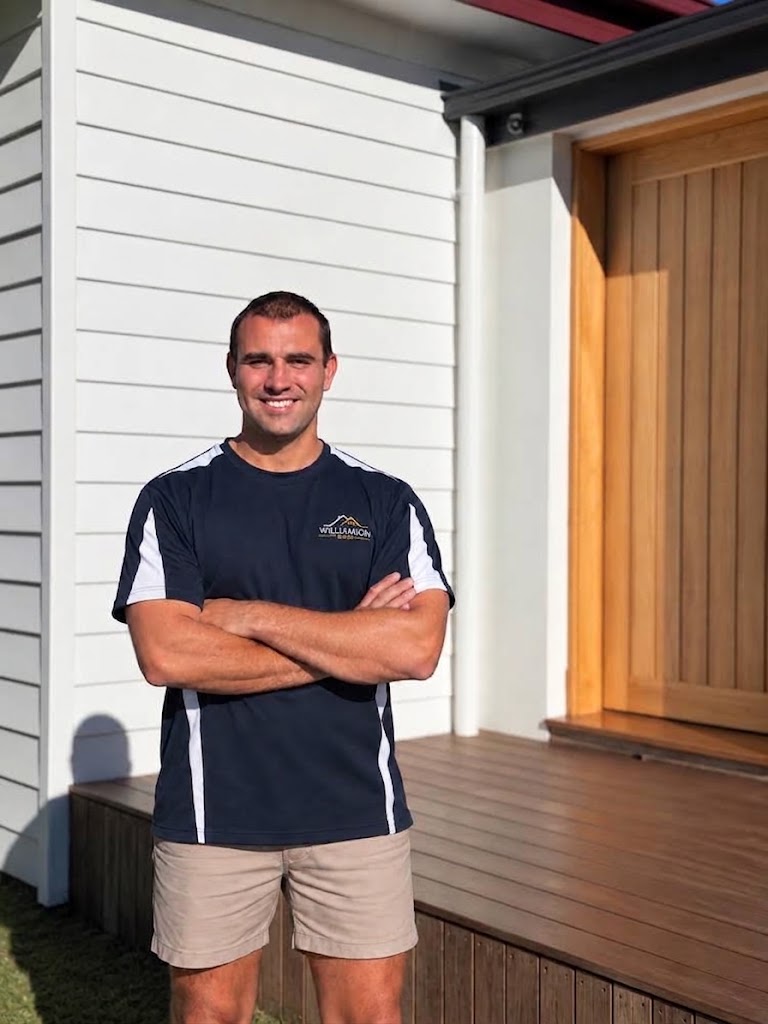
Hamish walks the site with you, then you get a written scope before any price. No obligation.
How it works
The same three steps whether it is a repair or a renovation.
Step 01
We spend most of the visit on what limits the job, such as the fall across the footprint, drainage, tree roots, where the sun lands at four in the afternoon, how the deck meets the door threshold and what the salt is going to do to the fixings. Inside, we look at what’s behind the wall and where the services run.
Step 02
You get an itemised scope in writing before any number is discussed. It covers materials, fixings, finishes, rubbish removal and who carries what risk. Put it beside any other quote you’ve been given and you’ll see the difference.
Step 03
The schedule runs from start to handover and is in writing. The price is fixed against that scope, and anything outside it is agreed with you before it happens.
Questions
Scope questions are here. Job-specific ones are on the service pages.
Decks, pergolas and outdoor spaces; doors, windows, flooring and fencing; timber and deck repairs; and full bathroom and kitchen renovations. If the job is carpentry, or the carpentry is the hard part of it, it’s ours.
Yes. We work under NSW licence 399743C, held by our director Hamish Williamson, who holds a Certificate III in Carpentry and a Certificate IV in Building and Construction. Search the number on the Building Commission NSW register before you speak to anyone.
Possibly. Only a small core around the town centre is in the heritage conservation area. Inside it, a deck built without approval has to sit behind the building line of the street frontage, and a new front fence needs approval. Your planning certificate says whether your property is in it.
On flood-affected lots, yes. Council sets a minimum floor level for new habitable rooms, and its controls say fences must not change how floodwater flows. Your Council flood certificate gives the levels for your property.
It depends on the street. Some of the points we tested, such as Hope and Margaret Streets, aren’t mapped, while others, such as Panonia Road, sit in the bushfire buffer. You can check your address on the NSW RFS map, or we’ll check it before quoting.
That’s most of the renovation work. Plumbing and electrical are licensed trades we coordinate around our own schedule, so you deal with one builder and one set of dates instead of chasing five people.
Who wrote this page
Director and licensed builder, Williamson Builds
Hamish has spent more than ten years on the tools, including high-end residential work in Dee Why and Annandale before starting Williamson Builds on the Central Coast. He walks every Wyong job himself and writes the content on this page.
NSW licence 399743C · Certificate III in Carpentry · Certificate IV in Building and Construction. Search the licence number on the Building Commission NSW register.
Local information checked November 2026 · reviewed every six months
Nearby
The same licence and written scope apply here.
Start here
A sentence and a couple of photos is enough. You don’t need to know what the job is called.
About the local information on this page. This is general information about building in the area, and planning rules and flood mapping change over time. It isn’t a substitute for a planning certificate or flood certificate for your own property. We check those for your address before quoting.
Last checked November 2026.


