What Are the Minimum Standards for a Rental Property in NSW?
A NSW rental property has to meet seven minimum standards before it is fit to live in. They are the floor, not the target, and a tenant, an owner and a tribunal will all read them the same way.
The NSW Government’s page on minimum standards for rental properties says landlords and agents “are required to make sure rental properties meet 7 minimum standards for tenants to be able to live there.” To be fit to live in, the property must, at a minimum:
- be structurally sound
- have adequate natural or artificial lighting in each room, except storage rooms or garages
- have adequate ventilation
- be supplied with electricity or gas, with enough sockets for lighting, heating and other appliances
- have adequate plumbing and drainage
- have a water connection that can supply hot and cold water for drinking, washing and cleaning
- have bathroom facilities, including toilet and washing facilities, that allow privacy
Do the standards apply for the whole tenancy?
Yes. The same page says “these standards must be maintained throughout the tenancy.”
That is the part that catches owners out. A house that passed on the day the lease was signed can drop below the line two winters later, when a slow roof leak has softened a ceiling or a bathroom has been wetting the floor frame beside it. The page also warns that a property can still be unfit to live in for other reasons, even if it meets all seven.
Do they apply to older houses?
Yes. The standards “apply to all rented residential properties”, whatever the age.
Age does change how good the repair has to be. NSW says a landlord must keep a rental in a reasonable state of repair, considering the age of the property, the amount of rent being paid and the prospective life of the property, and adds that “this does not mean that the property must be in perfect condition.” An old fibro cottage does not need to look new. It does need a floor that holds, stairs that are safe and a roof that keeps the water out.
Who has to make sure a rental meets them?
The landlord, and in practice the agent acting for them.
NSW’s wording is that before a property is rented out, “the landlord or agent should take steps (such as making repairs) to make sure the property is fit to live in.” For a property manager, that makes the ingoing inspection and each routine inspection the two points where a building problem is either caught or left for later.
What Does Structurally Sound Mean for a Rental Property?
In plain terms, the parts that hold the building up and stop people falling have to be in working order. NSW lists it first of the seven and points to section 52 of the Residential Tenancies Act 2010 for the detail.
Structure is the standard a builder gets called about, because it is the one you can’t see from the driveway. These are the building defects that put a rental at risk of failing it:
- Floors: boards that bounce, dip or feel soft, usually from bearers and joists that have been damp for years.
- Stairs, handrails and balustrades: loose treads, rails that move when you push them, posts gone soft at the base.
- Roofs and ceilings: leaks that have stained or sagged a ceiling, and rot in the fascia and eaves that follows.
- Walls: framing that has rotted beside a leaking shower or under a window sill.
- Doors and windows: frames that have dropped or swollen so the door or window no longer closes or locks.
Are decks and balconies covered?
Treat them as covered. They are part of the structure a tenant stands on, and NSW names them in its rental safety guidance.
The NSW page on window, deck and balcony safety in a rental property says any faults or damage, “including to decks or balconies, should be noted on the condition report.” A deck over a drop is the highest-consequence item on most inspection lists, and the frame underneath matters more than the boards on top. Our guide to checking whether a deck is safe sets out what to look at, and the deck repairs page covers what happens when one fails.
Do damp and poor ventilation count?
Adequate ventilation is a standard of its own, and damp is usually what turns a ventilation problem into a structural one.
Blocked subfloor vents, garden beds built up against a wall and bathrooms with no working exhaust all keep timber wet. Timber that stays wet rots, and the first sign is often a soft patch of floor by the bathroom door. Fixing the floor without fixing the airflow means the same work order comes back, which is why our home repairs and maintenance start with finding the cause.
Which Rental Repairs Are Urgent and Which Can Wait?
NSW law lists the repairs that count as urgent, and the building ones are a serious roof leak, serious storm or fire damage, flooding, and any fault or damage that makes the property unsafe or insecure.
The full list of urgent repairs in a rental property also covers gas leaks, dangerous electrical faults, burst water services, blocked or broken toilets and the loss of essential services. NSW’s guidance for landlords puts the test simply: an urgent issue is one that “threatens a property’s structural integrity”, “poses a risk to lives” or “makes a property unsafe or insecure”.
There is a practical reason to move fast. If the landlord or agent can’t be contacted, or takes too long, a tenant can have an urgent repair done by a licensed tradesperson and claim the cost back up to $1,000, payable within 14 days of their notice. Having a builder already lined up means the repair is scoped properly the first time. Non-urgent repairs are the ones that “do not need fixing right away”, and NSW gives a broken cupboard or a cracked window as examples.
How much notice does a tenant need before a repair?
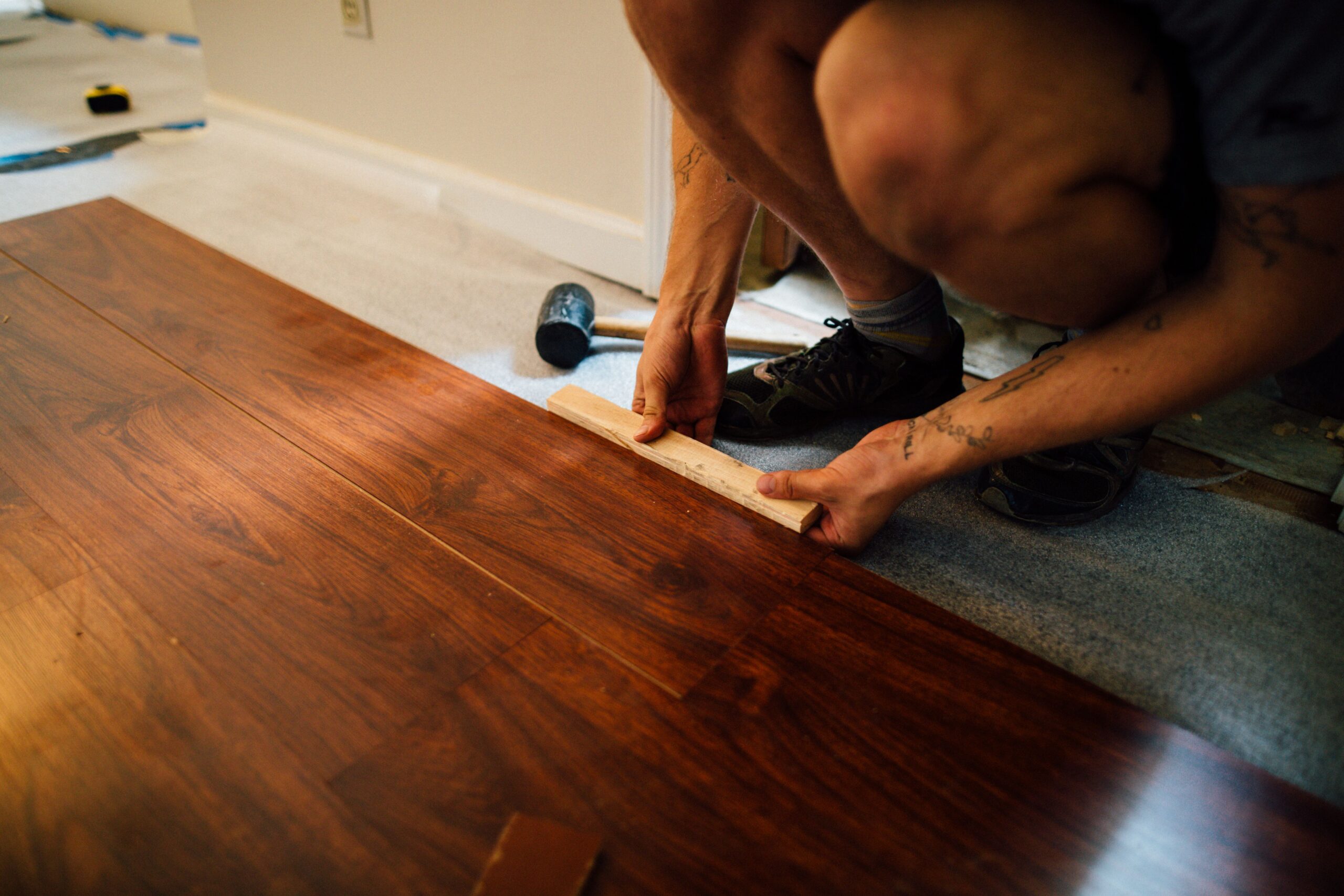
At least two days’ notice for necessary repairs or maintenance, and none for urgent repairs.
Those are the minimum notice periods for access NSW sets. A routine inspection needs at least seven days’ written notice and is limited to four in any 12 months. Entry is generally not permitted on Sundays, public holidays or outside 8am to 8pm, and a tradesperson sent by the agent must carry written consent from the landlord or agent to show a tenant who is home. Fixed start and finish dates from the builder let you arrange access once.
What Happens if a Rental Property Does Not Meet the Standards?
The landlord is in breach of the tenancy agreement, and NSW Fair Trading can order the repair.
NSW is direct about it: landlords who do not provide a property that is fit to live in and keep it in a reasonable state of repair “will be in breach of the tenancy agreement.” If a tenant has asked in writing for repairs and they have not been done, Fair Trading can investigate and issue a rectification order that “directs the landlord or tenant to rectify or complete the work by a due date.” If the landlord does not comply, “a penalty may apply.”
It runs both ways. Tenants must tell the landlord about damage as soon as possible, and NSW’s summary of rental maintenance responsibilities says “the landlord is not required to fix any damage that a tenant causes.” A scope that separates wear, tenant damage and building failure, with photos, gives the owner something to act on and gives you a record if it is ever disputed.
Who Is Responsible for Repairs in a Strata Building?
The owners corporation repairs common property, and the owner repairs what is inside the lot.
NSW’s page on strata repairs and maintenance says common property is generally “any area used by all residents or anything of structural importance”. In most schemes the owners corporation looks after the roof and gutters, boundary walls, balconies and balcony doors, and windows and window locks. Tenants are told to ask their landlord, so the request lands with the managing agent first.
Before a work order goes out on a unit or townhouse, work out which side of that line the defect sits on. A soft balcony or a leaking window is often a matter for the strata manager, and a kitchen or an internal door is usually the owner’s. The same page notes that all residential strata buildings must have window safety devices that can limit the opening to less than 12.5 cm.
What Should a Property Manager Check at a Routine Inspection?
Check the things that start small and turn structural: anything soft, loose, stained or sticking.
None of this needs tools or a ladder. It adds a few minutes to an inspection and gives the owner an early warning in place of an urgent call.
- Walk the floor beside bathrooms, laundries and external doors and note anything that gives underfoot.
- Look at every ceiling for stains, bubbling paint or a sag.
- Push and pull each handrail and balustrade. It should not move.
- Open, close and lock the external doors and a sample of windows.
- Press a thumb into window sills and door frames where the paint is flaking.
- From the ground, look along the fascia, eaves and gutters for rot and overflow marks.
- Check the subfloor vents are clear of soil, mulch and stored items.
- Walk the fences and gates, and look closely at any pool barrier, which NSW requires to be at least 1.2 m high.
What should you send a builder?
The inspection report, photos of each item and anything you know about how long it has been there.
Add the age of the building if you have it, whether it is tenanted and when access is possible. From that, a builder can usually say whether an item is a repair or something bigger. The price comes after a look on site, because a repair quoted from a photograph is a guess and the variations turn up later.
So What Should Landlords and Property Managers Do First?
Start with structure, because it is the first standard, the hardest to see and the one that hurts someone when it fails. Record it in the condition report, fix the cause as well as the damage, and keep the photos.
The other six standards mostly fail loudly: no hot water gets reported the same day. Structure fails quietly, between inspections, and it is nearly always water behind it. A floor, a deck or a balustrade that is caught early is a repair. Left for another lease, it becomes a rebuild and a notice from the tenant.
Williamson Builds repairs and maintains rental and strata properties across all of the Central Coast, with Newcastle and Sydney by arrangement for larger jobs. The work is done under builder’s licence 399743C with $10 million in public liability cover. This guide is general information for NSW and is not legal advice, so check the NSW Government pages linked above for the current rules.